Deer Watercolor Art: Illustrations for Sellers
As a digital product creator who has launched dozens of collections on Etsy and print-on-demand platforms, I approach every new graphic design asset with a critical eye. The market is saturated, and the difference between a bestseller and a forgotten listing often comes down to the quality and versatility of the core illustrations. Recently, I evaluated a set titled Deer Watercolor Art to determine if it holds enough commercial weight for my upcoming seasonal collection. My goal was not just to see if the art looked pretty, but to understand how it functions as a business tool for creating sellable products.
First Impressions and Market Fit
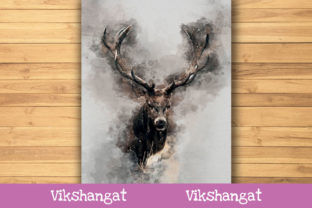
The moment I opened the Deer Watercolor Art files, the visual personality was immediately clear. These are not rigid vector shapes; they possess a soft, organic texture that mimics traditional watercolor painting. The mood strikes a balance between rustic charm and modern elegance. This specific aesthetic appeals strongly to buyers looking for nursery decor, bohemian home accents, and nature-inspired stationery. Unlike bold, flat graphics that dominate some sub-niches, these Illustrations feel handmade and premium. For a small business owner targeting a feminine or earthy demographic, this asset offers a distinct visual hierarchy that stands out against the sea of generic clipart.
However, style alone does not guarantee sales. The real test lies in how well the asset translates across various product formats. I began by imagining how Deer Watercolor Art would perform in a high-volume environment like Creative Fabrica or a Shopify store. The soft edges suggest it will work beautifully for digital downloads where the "handmade" vibe adds perceived value. Yet, I also needed to verify its utility for physical merchandise.
Testing Across Product Categories
To validate the commercial potential, I mentally mapped the asset onto several popular product categories. First, I considered print-on-demand applications. A t-shirt design featuring a large, centered deer from this collection would likely appeal to outdoor enthusiasts and those who love cottagecore aesthetics. Similarly, mug designs and tote bag prints benefit from the flowing lines of the watercolor style, which wrap naturally around curved surfaces without looking stiff.
For crafters using Cricut or Silhouette machines, the application requires more scrutiny. While the PNG versions are perfect for sublimation transfers on tumblers or phone cases, the SVG cut paths need careful inspection. If the design relies heavily on blended colors rather than solid blocks, it may not function as a standard vinyl decal. Instead, these assets shine when used as sticker designs printed on hydro-dipped paper or as layered elements in scrapbooking kits. They also serve as excellent focal points for greeting cards and invitation templates, where the artistic flair elevates the entire project.
Beyond physical goods, the asset is highly effective for digital creators building Canva templates. Imagine a wedding planner template or a blog header package where Deer Watercolor Art serves as a decorative border. The transparency of the PNG files allows for seamless integration into social media graphics, helping bloggers and content creators maintain a cohesive brand identity without needing advanced Photoshop skills.
Enhancing Listing Presentation and Mockups
One of the most critical aspects of selling online is the product mockup. Even the best illustration can fail if the presentation looks amateurish. When I placed the Deer Watercolor Art into a series of lifestyle mockups, the results were promising. The soft textures rendered well on fabric previews and paper backgrounds, making the final Etsy product images look professional and trustworthy. High-quality mockups directly influence click-through rates, and these illustrations provide the visual storytelling needed to convince a customer to purchase.
Furthermore, these assets are ideal for creating themed bundles. By pairing the deer illustrations with complementary floral elements or forest scenes, you can create a comprehensive design bundle that increases the average order value. Consistency in visual style across a collection builds brand recognition. Whether you are selling a single printable wall art piece or a massive commercial design pack, having a cohesive set of Illustrations ensures your shop looks curated rather than chaotic.
Where to Use Carefully
Despite its strengths, Deer Watercolor Art is not a universal solution. There are scenarios where this specific style should be used with caution. For instance, tiny sticker details might lose their definition if the resolution is not sufficient for micro-printing. Overly complex layouts can become muddy if too many watercolor elements are layered together, reducing readability.
Additionally, designers must be wary of using these assets on dark backgrounds without adjusting contrast. Watercolor effects often rely on white space to breathe; placing them on black or navy backgrounds without proper blending modes can make the design look washed out. Text-heavy templates are another area of risk. Because the organic lines of the deer can compete with typography, it is essential to ensure there is enough negative space for legible text. Finally, if you are planning a project that requires precise cutting lines for intricate vinyl decals, you must verify that the SVG version includes clean paths, as watercolor styles often have anti-aliased edges that do not translate perfectly to cutting mats.
Practical Seller Notes for Implementation
Before integrating any new graphic design asset into your workflow, follow these practical steps to ensure success:
- Test on Real Mockups: Never rely solely on the raw file preview. Place the Deer Watercolor Art on actual product photos to gauge scale and color accuracy.
- Verify File Integrity: Check the PNG transparency carefully to ensure no unwanted white boxes surround the image. Confirm the resolution is at least 300 DPI for print products.
- Inspect Cut Quality: If using SVGs for Cricut projects, zoom in to check for stray nodes or jagged edges that could ruin a cut.
- Font Pairing: Experiment with different typefaces. These soft illustrations pair exceptionally well with elegant script fonts, handwritten styles, and clean sans serif fonts. Avoid overly aggressive display fonts that clash with the gentle aesthetic.
- Licensing Confirmation: Always double-check the commercial license. Ensure you are permitted to use the asset for sellable finished products, such as t-shirts or mugs, and whether attribution is required.
- File Organization: Organize your download folder clearly for customers if you are reselling the asset itself, or keep your own source files structured for easy access during future updates.
Final Verdict for Digital Entrepreneurs
After a thorough evaluation, Deer Watercolor Art proves to be a robust addition to a digital seller's toolkit. It bridges the gap between artistic expression and commercial viability. While it requires thoughtful application regarding background choices and cutting methods, its ability to elevate simple products into premium offerings is undeniable. For anyone looking to expand their portfolio with nature-themed, feminine, or rustic designs, this asset offers a strong foundation. By testing it rigorously across mockups, verifying technical specifications, and pairing it with appropriate typography, you can create a compelling product line that resonates with today's creative marketplace consumers. In the competitive world of digital downloads and print-on-demand, choosing the right illustration is half the battle won.