Watercolor Fashion Illustrations Review
As a designer who has spent years translating digital art into tangible thread, I approach every new machine embroidery design with a mix of excitement and skepticism. The gap between a beautiful screen image and a successful stitched result is where many projects fail. When I first opened the file for Watercolor Fashion Illustrations, I wasn't just looking at pixels; I was visualizing how these soft, fluid lines would translate onto fabric under the tension of an embroidery hoop. This collection promises to bring the ethereal quality of hand-painted fashion sketches into the world of textile decoration, but does it hold up under the scrutiny of real-world production?
The Aesthetic: Capturing Fluidity in Thread
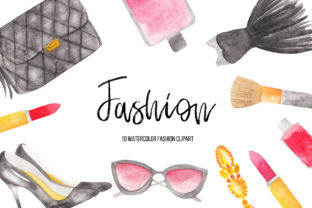
The immediate impression of Watercolor Fashion Illustrations is one of movement and lightness. Unlike rigid, geometric patterns that rely heavily on heavy fill stitches, these designs mimic the bleeding edges and translucent layers of actual watercolor paint. For an Etsy seller or a boutique owner looking to elevate their brand identity, this style offers a distinct advantage. It feels artistic, curated, and less "mass-produced" than standard floral or script motifs.
When reviewing the layout, the shapes are organic and asymmetrical, which is perfect for breaking up the stiffness of structured garments. However, the true test of any embroidery file is how it handles the transition from digital gradient to physical thread. In this case, the design relies on clever layering of fill stitch and varying stitch density to create depth. It avoids the common pitfall of looking like a solid block of color, instead maintaining that airy, sketch-like personality that makes fashion illustrations so compelling.
Real-World Application: From Sketch to Sweatshirt
To truly understand the potential of Watercolor Fashion Illustrations, I imagined a specific project: a custom embroidered tote bag for a local art gallery's fundraising event. The goal was to create a product that felt high-end yet accessible. Using this design on a natural canvas tote bag allows the texture of the fabric to interact beautifully with the soft edges of the illustration. The design doesn't overpower the material; instead, it complements it, creating a finished product that looks like a piece of wearable art rather than a logo patch.
I also considered using this for sweatshirt embroidery. Placing a large-scale version of one of these illustrations on the back of a heavyweight crewneck creates a bold statement piece. The softness of the watercolor effect contrasts nicely with the sturdy cotton fleece, adding a touch of femininity and sophistication to streetwear. For custom apparel lines, this versatility is key. Whether you are making baby embroidery items for a nursery line or holiday embroidery gifts for adults, the mood of the design shifts slightly depending on the color palette chosen, making it a valuable asset for a diverse craft business.
For those selling personalized gifts, the adaptability of Watercolor Fashion Illustrations is a major selling point. Imagine a pillow cover featuring a soft, pastel version of the design, paired with a satin-stitched monogram nearby. The combination of the artistic illustration and the classic personalization technique elevates the perceived value of the item instantly. Customers buying handmade goods often look for that unique, "one-of-a-kind" feel, and these designs deliver exactly that.
Navigating Technical Challenges
While the aesthetic appeal is high, practical application requires careful planning. One area where Watercolor Fashion Illustrations demands attention is fabric selection. Because the design mimics transparency, placing it on dark fabrics can be tricky. Without a proper backing or a dense underlay, the colors may not pop as intended, losing the delicate nuance of the watercolor effect. I strongly advise testing the design on scrap fabric first, especially if you plan to use it on textured fabrics like linen or denim, where the needle might struggle to catch the fine details.
Hoop size is another critical factor. Some of the more intricate figures in the collection require a larger working area to maintain their proportions. Attempting to fit a complex figure into a small 4x4 hoop could compress the design, turning those graceful lines into a muddy mess. Always check the dimensions of your digital embroidery file against your machine's capabilities before committing to a project. If you are working on curved surfaces like caps or hats, be prepared to adjust the stabilizer usage significantly to prevent puckering around the detailed corners.
Furthermore, while the design is beautiful, it is not immune to the wear and tear of frequent washing. On items like kitchen towels or aprons, the fine details of the running stitch used to define the outlines might fray over time if the wash cycle is too aggressive. For commercial embroidery projects involving high-volume orders, ensure that your customers understand care instructions to preserve the integrity of the artwork.
Designer Notes for Success
If you decide to integrate Watercolor Fashion Illustrations into your workflow, here are my top recommendations for ensuring a professional outcome:
- Test on Scrap Fabric First: Never skip this step. Run a test on the exact fabric you intend to use to check how the threads lay and how the colors blend.
- Check Thread Color Contrast: The watercolor effect relies on subtle shifts in tone. Ensure your thread colors provide enough contrast against the background fabric without clashing.
- Review Stitch Density: Look closely at the areas with heavy shading. You may need to adjust the density settings on your machine to prevent fabric distortion.
- Confirm Hoop Size: Measure your design against your hoop. If it's too tight, consider scaling it down or choosing a simpler variation from the set.
- Inspect Small Details: Zoom in on the digital preview to see if tiny lines will stitch out clearly. Sometimes, reducing the complexity slightly yields a cleaner finished product.
- Use Proper Stabilizer: For stretchy fabrics or thin materials, a cutaway stabilizer is essential to support the weight of the thread and keep the design flat.
- Test in Black and White Mockups: Before ordering thread, visualize the design in grayscale to ensure the composition works without relying solely on color.
- Compare Light and Dark Backgrounds: Create mockups showing the design on both light and dark fabrics to determine which offers the best visual impact.
- Verify Licensing: Always confirm the licensing terms before selling handmade products or digital files. Ensure you have the right to sell items made with this embroidery design commercially.
Final Verdict for the Creative Entrepreneur
Watercolor Fashion Illustrations represents a significant opportunity for designers looking to add an artistic edge to their portfolio. It moves beyond the generic and taps into a trend of soft, expressive aesthetics that resonate well with modern consumers. Whether you are creating a tote bag design for a craft fair, designing embroidered patches for a clothing brand, or crafting unique printable mockups to showcase your services, these illustrations offer a versatile foundation.
The key to success lies in respecting the technical requirements of the design. By choosing the right fabrics, stabilizers, and hoop sizes, you can transform these digital assets into stunning, high-quality textiles. For the small shop owner or the independent maker, investing time in understanding how these designs behave in a real stitching environment will pay off in customer satisfaction and brand reputation. In a market saturated with loud, busy patterns, the quiet confidence of a well-executed watercolor illustration can make all the difference.