Watercolor Rolling Pin Baker Clipart & Illustrations
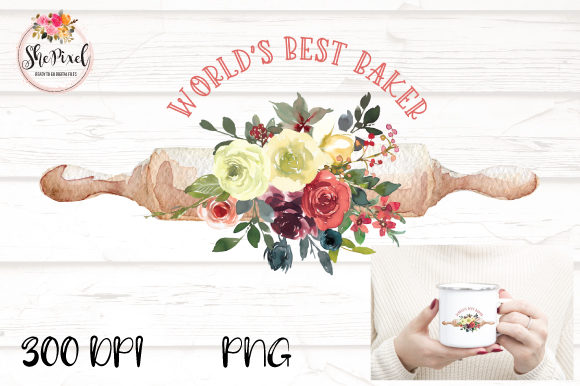
As a digital publisher who has spent years refining the visual language of content websites, I know that the difference between a casual blog and a trusted authority often lies in the quality of its graphic design assets. When I first encountered the Watercolor Rolling Pin Baker Clipart, my immediate reaction was one of relief. In an industry saturated with rigid vector art and sterile stock photography, this set of Illustrations brings a necessary warmth and organic texture to editorial layouts. It is not just a collection of images; it is a mood setter that instantly communicates craftsmanship, tradition, and the joy of baking.
The Editorial Mood and Visual Impact
The first impression of the Watercolor Rolling Pin Baker Clipart is undeniably lifestyle-focused and artistic. The soft edges and blended hues typical of watercolor styles create a feminine yet professional atmosphere. This asset does not scream for attention with bold, aggressive colors; instead, it invites the reader in with a sense of calm and creativity. For niches like food blogging, home decor, parenting, or small business branding centered around handmade goods, this design element establishes immediate reader trust. It signals that the content behind the image is curated, thoughtful, and human-made.
From a web design perspective, the asset supports a polished look without feeling overly corporate. It bridges the gap between a personal hobbyist site and a commercial brand. The visual hierarchy is naturally enhanced because the soft textures of the rolling pin and baker elements contrast beautifully against clean white backgrounds or subtle pastel tones. This makes the content feel more clickable and engaging, as users are drawn to the tactile quality of the illustration.
Real-World Publishing Applications
In my workflow, I rarely use a single graphic design asset for just one purpose. The versatility of the Watercolor Rolling Pin Baker Clipart allows me to deploy it across multiple touchpoints in a content marketing strategy. Here is how I integrate it into real publishing situations:
- Blog Featured Images: Using these Illustrations as the focal point of article headers creates a cohesive look across recipe posts or DIY guides. They serve as perfect anchors for text overlays.
- Pinterest Pins: Pinterest is a visual search engine, and the soft aesthetic of this clipart performs exceptionally well there. It stands out in feeds dominated by high-contrast photos, offering a fresh, artistic alternative for traffic generation.
- Digital Guides and Lead Magnets: When creating a downloadable resource like a "Baking Basics" eBook or a printable design checklist, using this asset on the cover elevates the perceived value. It transforms a simple PDF into a premium digital product.
- Newsletter Graphics: Email open rates can be influenced by the preview image. A gentle watercolor banner featuring a rolling pin adds a personal touch that feels less like a mass-market ad and more like a note from a friend.
- Social Media Graphics: Whether for Instagram stories or Facebook posts, these assets work seamlessly within Canva templates to maintain consistent branding across platforms.
Enhancing Content Performance and Brand Identity
The strategic use of the Watercolor Rolling Pin Baker Clipart goes beyond mere decoration; it directly impacts content performance. A stronger first impression is crucial in the split second a visitor decides whether to stay on a page. By incorporating these creative design elements, you improve the visual identity of your website, making it memorable. Consistency is key in building a brand, and having a set of matching Illustrations ensures that every category thumbnail, social media post, and affiliate content visual speaks the same language.
This consistency fosters improved reader trust. When a website looks professionally designed, readers assume the information is equally reliable. Furthermore, the unique style helps with better category recognition. If you have a section dedicated to baking or kitchen tools, using this specific motif helps users navigate your site intuitively. It acts as a visual cue that reinforces the topic of the content before the user even reads a headline.
Where This Asset Shines and Where to Be Careful
While the Watercolor Rolling Pin Baker Clipart is powerful, it is not a universal solution for every layout. It works best in hero images where there is ample space for the details to breathe. It is also ideal for article thumbnails on desktop views and as editorial accents in long-form content. The soft nature of the watercolor style pairs perfectly with serif fonts for a classic look or script fonts for a whimsical feel. It excels in modern design contexts that aim for a "slow living" or artisanal vibe.
However, there are scenarios where caution is required. On small mobile thumbnails, the fine details of the watercolor wash might get lost if the image is compressed too heavily. It should be used carefully in text-heavy blog images where the background noise could compete with the readability of the copy. Additionally, avoid using this asset in serious professional niches like legal advice or corporate finance, where a playful or decorative style might undermine the tone. Low-contrast backgrounds can also cause the soft edges to disappear, so always ensure there is enough separation between the graphic and the page color.
Practical Publisher Notes for Implementation
To get the most out of this graphic design asset, I recommend a rigorous testing process before finalizing your content. First, test it on both desktop and mobile screens to ensure the visual hierarchy holds up on smaller devices. Preview the Watercolor Rolling Pin Baker Clipart inside your actual blog layout to see how it interacts with your typography. Try pairing it with different font styles—serif, sans serif, handwritten, and display—to find the combination that maximizes readability.
Always check contrast and readability. Place the asset beside dark text and light text to ensure legibility. Consider trying the image in black and white to see if the composition remains strong without color. Review the file size for web performance; large, uncompressed images can slow down your site, so compress them properly without sacrificing quality. Finally, and most importantly, confirm the commercial licensing before using it on monetized websites, affiliate pages, or paid content products. Ensuring you have the right to use these Illustrations commercially protects your business and maintains your integrity as a publisher.
By thoughtfully integrating the Watercolor Rolling Pin Baker Clipart into your workflow, you are not just adding pictures to a website. You are curating an experience that builds brand identity, drives engagement, and turns casual visitors into loyal readers. In the competitive landscape of online publishing, these small creative details make all the difference.