Watercolor Safari Animals Illustrations Review
As a brand designer who has spent years curating visual identities for small businesses and content creators, I know that the right graphic design asset can make or break a campaign. When I first opened the folder containing Watercolor Safari Animals Illustrations, my immediate reaction was one of relief. In an era where digital marketing often feels cold and overly polished, these illustrations bring a breath of fresh air. They offer a soft, organic texture that instantly communicates warmth, nature, and playfulness without screaming for attention in a chaotic way.
The mood created by this collection is distinctively inviting. It feels handmade yet professional, striking a delicate balance between whimsical charm and commercial viability. For a brand owner looking to soften their image or a marketer trying to connect with families, educators, or eco-conscious consumers, this creative design bundle hits the mark perfectly. The emotional tone suggests authenticity and care, which are critical factors in building audience trust today. Unlike stiff vector art that can feel impersonal, these watercolor textures add depth and personality, making them ideal for lifestyle content, event promotions, and editorial graphics.
Bringing Warmth to Real-World Marketing Campaigns
To truly understand the value of Watercolor Safari Animals Illustrations, let's look at a real-world scenario. Imagine a small business launching a new line of organic baby products. The founder needs visuals that convey safety, nature, and joy. Using stock photos can be expensive and generic, while creating custom art from scratch takes weeks. This is where a high-quality digital product like this illustration set becomes a strategic tool.
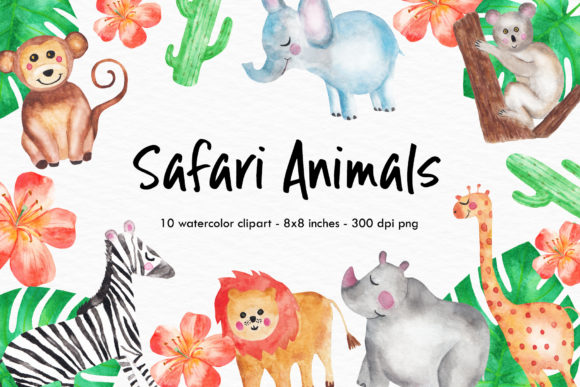
In this hypothetical campaign, we could use a lion cub or a giraffe from the set as the hero graphic on the product packaging. The soft edges of the watercolor style would complement the "organic" messaging beautifully. We could then repurpose these same assets for social media graphics, creating Instagram posts that feature the animals alongside testimonials or product shots. On Pinterest, these images would stand out against the typical grid of sharp-edged photos, driving higher click-through rates. By using a consistent visual language across the product label, the website header, and email banners, the brand creates a cohesive identity that feels intentional and established.
This versatility extends beyond just product launches. If you are an online coach preparing a lead magnet about finding your inner strength, a majestic elephant or tiger illustration could serve as a powerful metaphor. Placing it on a simple background with bold typography creates a strong visual hierarchy. The illustration draws the eye, while the text delivers the message, ensuring the audience understands the core value proposition immediately. Whether used in Canva templates for quick blog graphics or as decorative elements in a media kit, these assets elevate the perceived value of the content.
Strategic Applications for Brand Identity and Engagement
The true power of Watercolor Safari Animals Illustrations lies in its ability to support diverse marketing goals. First, it establishes a stronger first impression. In a crowded feed, a splash of vibrant, textured color stops the scroll. Second, it aids in clearer visual hierarchy. Because the illustrations have negative space and soft edges, they do not compete aggressively with text, allowing headlines and calls to action to remain legible.
For those focusing on small business branding, consistency is key. These illustrations provide a reusable library of elements that can be mixed and matched to create a unified look across all touchpoints. From packaging design accents to printable promotions for local events, the assets ensure that every piece of communication feels part of the same family. This consistency builds better recognition and improves engagement because the audience begins to associate that specific artistic style with your brand values.
Furthermore, the emotional connection fostered by these images is undeniable. People love animals, and the watercolor medium evokes nostalgia and creativity. This makes the marketing visuals more memorable than standard corporate imagery. When designing merchandise like stickers, tote bags, or t-shirts, these designs translate exceptionally well, offering a unique aesthetic that customers want to wear and share.
Where to Use These Assets for Maximum Impact
To get the most out of this design bundle, consider placing these illustrations in high-impact areas. They work brilliantly as hero graphics on landing pages, drawing users into the story of your brand. As campaign headers for seasonal offers, such as a summer sale or a back-to-school promotion, they set an energetic and fun tone. They are also perfect for branded templates, social media covers, and promotional banners where you need to fill space without cluttering the layout.
For publishers and bloggers, these illustrations are excellent for editorial layouts. A sidebar graphic featuring a monkey or a zebra can break up dense text and keep readers engaged. They also function well as decorative brand elements in web design, adding subtle touches of character to otherwise minimalist sites. If you are creating a content bundle or a course, using these animals as chapter icons or section dividers adds a layer of polish that makes the digital product feel premium.
Critical Considerations and Design Limitations
While Watercolor Safari Animals Illustrations is a versatile tool, it is not a universal solution. As a professional designer, I advise using these assets carefully in formal corporate branding contexts. The playful nature of safari animals may clash with the serious tone required for law firms, financial institutions, or B2B tech companies. Additionally, avoid using them in dense information layouts where the intricate details of the watercolor might get lost or distract from critical data points.
Be cautious when using these designs for small mobile graphics. Watercolor textures can sometimes lose definition when scaled down too much, potentially appearing muddy on tiny screens. Always test readability at various sizes before finalizing your digital ads. Furthermore, if your brand relies on low-contrast backgrounds, ensure the white space around the illustrations provides enough separation. In overly minimal brands, these rich, textured images might dominate the design, competing with the main message rather than supporting it.
Practical Notes for Professional Implementation
Before integrating Watercolor Safari Animals Illustrations into your workflow, run through a few practical checks. First, test the colors against your brand palette. While the default hues are lovely, you may need to adjust the saturation to match your existing brand identity. Check how the images look in black and white, especially for print materials like flyers or receipts, to ensure the shapes remain recognizable.
Place the illustrations inside real campaign mockups to see how they perform in context. Preview them on mobile screens to verify that the details hold up. Compare them against competitor visuals to ensure you are standing out rather than blending in. Typography pairing is also crucial; these illustrations pair beautifully with rounded sans serif fonts for a friendly look, or elegant script fonts for a more whimsical, boutique feel. Avoid heavy display fonts that might overpower the delicate nature of the art.
Finally, review the spacing and balance within your composition. Let the artwork breathe; do not crowd it with too many other elements. Most importantly, confirm the commercial license before using it in paid campaigns, client work, or business branding. Ensuring you have the legal right to use the asset protects your business and maintains your reputation as a professional. With these considerations in mind, Watercolor Safari Animals Illustrations can become a cornerstone of your content marketing strategy, delivering beautiful, effective, and trustworthy visuals for your audience.