Black Watercolor Number Cliparts: A Designer Review
As a designer who has spent years navigating the gap between digital files and physical thread, I approach every new asset with a mix of excitement and skepticism. When I first encountered Black Watercolor Number Cliparts, my immediate reaction was to wonder how a soft, artistic style translates into the rigid world of machine stitching. The concept of blending watercolor aesthetics with embroidery is tricky; it requires a delicate balance to avoid looking muddy or undefined. This review breaks down whether these Illustrations are truly ready for your next commercial project or if they need significant tweaking before hitting the hoop.
The First Impression: Art Meets Thread
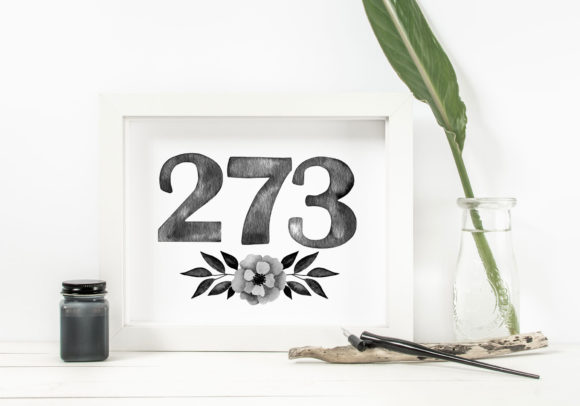
The visual personality of Black Watercolor Number Cliparts is distinct. Unlike traditional vector numbers that rely on hard edges and uniform fills, these designs mimic the organic flow of ink spreading on paper. For an embroidery file intended for custom apparel, this creates a specific mood: artistic, slightly edgy, yet timeless. The black color palette suggests versatility, but the "watercolor" texture implies a level of detail that demands attention during digitizing.
In a real-world scenario, imagine you are preparing a limited-run collection of sweatshirt embroidery for a boutique client. They want something that feels handmade but can be produced consistently. These numbers offer a unique selling point. However, the success of the finished product depends entirely on how well the design handles the transition from pixel to stitch. The irregular edges of the watercolor effect must be captured without creating jagged lines or excessive running stitch outlines that clutter the look.
Performance in Real-Life Embroidery Situations
When testing the potential of Black Watercolor Number Cliparts for various applications, the results vary based on the substrate and the intended use. For tote bag design projects, the sturdy canvas provides an excellent foundation. The contrast of black thread against natural cotton allows the watercolor texture to pop, making the numbers feel like a deliberate artistic statement rather than just a label.
However, the application changes when moving to baby embroidery. Soft fabrics like jersey or fleece require careful consideration. If the stitch density is too high to replicate the dark watercolor areas, the fabric may pucker, ruining the drape of a onesie or bib. In these cases, the design might need to be simplified, focusing on the outline and key fill areas rather than attempting to replicate every speckle of the original illustration.
For holiday gifts or personalized items like aprons and pillow covers, these numbers shine. They add a sophisticated touch to handmade products sold at craft fairs or on Etsy. An Etsy seller looking to elevate their brand could use these as part of a commercial embroidery line, perhaps creating a series of numbered anniversary gifts or milestone markers. The aesthetic fits perfectly with modern, minimalist home decor trends.
Navigating Fabric Textures and Curved Surfaces
While the design is versatile, there are specific scenarios where caution is required. On textured fabrics like linen or heavy denim, the fine details of the watercolor effect might get lost. The uneven surface can cause the fill stitch to sit unevenly, blurring the artistic intent. Similarly, on curved surfaces like caps or hats, the distortion can alter the shape of the numbers, making them appear stretched or compressed.
If you are planning to use Black Watercolor Number Cliparts for an embroidered patch, ensure the backing stabilizer is robust enough to support the intricate details. Without proper support, the delicate edges of the watercolor style could fray over time, especially if the patch is subject to frequent washing. This is a critical factor for any small shop product that needs to maintain its quality after multiple washes.
Practical Designer Notes for Success
Before committing to a large production run, I always advise testing the design on scrap fabric first. This step is non-negotiable for complex styles like watercolor. You need to verify how the thread colors interact with the base material. While the clipart is black, using a metallic or variegated black thread could enhance the watercolor effect, adding depth that solid black thread cannot achieve.
Reviewing the hoop size is equally important. These numbers, depending on their scale in the source file, might require a larger hoop to accommodate the spread of the watercolor edges. If you attempt to squeeze a wide, flowing number into a small 4x4 inch hoop, you risk losing the very texture that makes the design special. Always check the dimensions against your specific machine capabilities.
Another vital tip is to test the design in black and white mockups before finalizing your digital product previews. This helps you visualize the contrast and ensures the numbers remain legible on different background colors. If you are selling these as design assets or using them for personalized gifts, clarity is key. Customers need to see the value immediately.
Licensing and Commercial Use Considerations
As a professional in the industry, I cannot stress enough the importance of confirming licensing terms. Whether you are an apparel decorator or a creative entrepreneur, you must know if Black Watercolor Number Cliparts are cleared for commercial embroidery. Some licenses restrict the number of items you can sell or prohibit resale of the digital file itself. Ensure you have the right to use these Illustrations for your business model, whether that involves selling physical goods or offering custom services.
Finally, consider the long-term appeal. Trends come and go, but a well-executed number design remains relevant. By pairing these artistic numbers with high-quality materials and precise stitching, you create a finished product that stands out. The goal is not just to stitch a number, but to deliver a piece of art that customers will cherish.
Final Verdict: Worth the Effort?
Black Watercolor Number Cliparts offer a refreshing alternative to standard fonts, providing a unique aesthetic for machine embroidery design enthusiasts and professionals alike. They work exceptionally well on tote bags, home decor, and structured garments where the texture can be appreciated. However, they require a skilled hand to manage the stitch density and fabric interaction. If you take the time to test, stabilize, and refine the execution, these designs can significantly boost the perceived value of your craft business offerings. Just remember: the magic lies not just in the file, but in how you bring it to life.