Color Bows Watercolor Clipart: A Designer Review
As someone who has spent years navigating the fine line between digital art and physical thread, I approach every new machine embroidery design with a mix of excitement and skepticism. When I first encountered Color Bows Watercolor Clipart, my immediate reaction was to wonder if its soft, painterly aesthetic could survive the translation from screen to fabric. In the world of digital product sellers and Etsy sellers, finding assets that look good in a mockup but also stitch cleanly is a constant challenge. This review breaks down how this specific set of Illustrations performs when moved from a design file into a real-world embroidery project.
The First Impression: Softness Meets Structure
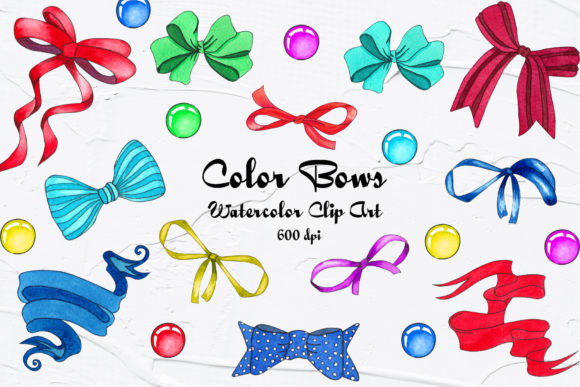
The visual personality of Color Bows Watercolor Clipart is undeniably gentle. The watercolor effect relies on gradients and soft edges to create a sense of fluidity. In a static image, this creates a mood of whimsy and elegance, perfect for spring collections or baby-themed goods. However, as an experienced designer, I know that watercolor textures are notoriously difficult to replicate with thread. The key question becomes: does the digitizer manage to capture the essence of the paint bleed without turning the finished product into a muddy mess?
Upon closer inspection, the shapes within the bows are clean enough to be traced effectively. The layout suggests a balance between open space and detailed curves. For a craft business looking to add a touch of femininity or playfulness to their brand, these designs offer a distinct alternative to the rigid, geometric patterns often found in standard libraries. They feel like they belong on items where softness is a selling point, such as baby embroidery or delicate home decor.
Real-World Application: From File to Fabric
To truly evaluate Color Bows Watercolor Clipart, I imagined using it for a custom embroidered tote bag for a local boutique client. Tote bags are a staple for small shop products, but they require durability and clarity. If I were to place one of these watercolor bows on a canvas tote, the texture of the fabric would interact with the fill stitch used to mimic the watercolor wash.
In this scenario, the design shines because the bow shape provides a natural frame. The "watercolor" aspect can be achieved through varying stitch density and carefully selected thread colors. Instead of trying to force a literal gradient, a skilled operator might use lighter shades of thread with looser tension to simulate the transparency of watercolor. On a sweatshirt embroidery project, particularly a fleece hoodie, the soft fuzz of the fabric helps blend the stitches, making the transition between colors smoother and enhancing the artistic feel of the clipart.
I also considered using these designs for an embroidered patch intended for denim jackets. Here, the contrast is crucial. The organic nature of the watercolor style stands out beautifully against the rough weave of denim, creating a high-end, handmade presentation that customers love. It elevates a simple patch from a generic accessory to a piece of wearable art, increasing the perceived value of the item.
Navigating Challenges: Where Caution Is Needed
While the potential is high, Color Bows Watercolor Clipart is not without its pitfalls. The very feature that makes it charming—the soft edges—can become a liability on certain materials. If you attempt to stitch this design on a thin, stretchy fabric like jersey knit without the proper stabilizer, the intricate details of the bow loops may distort. The hoop size becomes critical here; squeezing too much detail into a small hoop can cause the running stitch outlines to break or the fill areas to pucker.
Dark fabrics present another hurdle. To make a watercolor effect pop on black or navy material, you need significant coverage, which increases the risk of stiffening the fabric. This is especially true for holiday embroidery projects on sweaters or stockings where drape is important. Additionally, curved surfaces like caps require careful placement. The bottom of a bow might lose definition if placed over the seam of a baseball cap. Always test the design on scrap fabric first to ensure the thread color contrast works and the stitch density doesn't overwhelm the base material.
Strategic Use for Business and Branding
For creative entrepreneurs and apparel decorators, the choice of design assets directly impacts customer trust and brand consistency. Color Bows Watercolor Clipart offers a unique opportunity to differentiate your listings. In a sea of bold, blocky logos, a soft, artistic bow can signal quality and attention to detail. This is particularly effective for personalized gifts and wedding favors, where the emotional connection matters more than industrial precision.
When preparing printable mockups for your online store, ensure that the representation of the watercolor effect matches what the customer will receive. Over-promising on the softness of the gradient can lead to disappointment. It is better to show a close-up photo of the actual stitched result on a neutral background so buyers understand the texture of the thread work. This transparency builds buyer engagement and reduces return rates.
Practical Notes for the Professional
Before committing to a production run, I always recommend a few specific steps when working with artistic styles like this:
- Test on Scrap Fabric: Stitch a sample on the exact material you plan to use. Check for puckering around the bow's curves.
- Review Thread Colors: Select a palette that mimics the watercolor fade. You may need to blend three or four shades to achieve the desired depth.
- Check Licensing: As with any commercial embroidery asset, confirm the license terms before selling finished items or reselling the digital embroidery file.
- Inspect Small Details: Zoom in on the knot of the bow. Ensure the digitizing hasn't created tiny, unmanageable islands of thread that could snag.
- Compare Backgrounds: Test the design on both light and dark fabric backgrounds to see how the fill stitch interacts with the base color.
Ultimately, Color Bows Watercolor Clipart is a versatile tool for designers who understand the limitations and possibilities of thread. It requires a bit more finesse than a standard logo, but the reward is a handmade product that feels truly special. Whether you are creating a kitchen towel for a housewarming gift or a line of custom apparel for your boutique, this design can add a splash of artistic flair. Just remember to respect the physics of stitching, choose your stabilizers wisely, and always prioritize the integrity of the final stitch over the speed of production. With the right technique, these bows can become the signature element of your next successful collection.