Tigers Watercolor Clip Art Patterns Review
As a designer who has spent years translating digital art into tangible thread, I approach every new asset with a critical eye. When I first opened the file for Tigers Watercolor Clip Art Patterns, my immediate thought was about texture and flow. This is not a standard vector illustration; it carries the soft, bleeding edges of watercolor that can be both a blessing and a challenge in the world of machine embroidery. For those of us running small craft businesses or managing Etsy shops, finding an Illustrations category piece that translates well from screen to fabric is rare. This review breaks down how these patterns actually perform when you move beyond the preview window and start stitching real projects.
The First Impression: Mood and Visual Personality
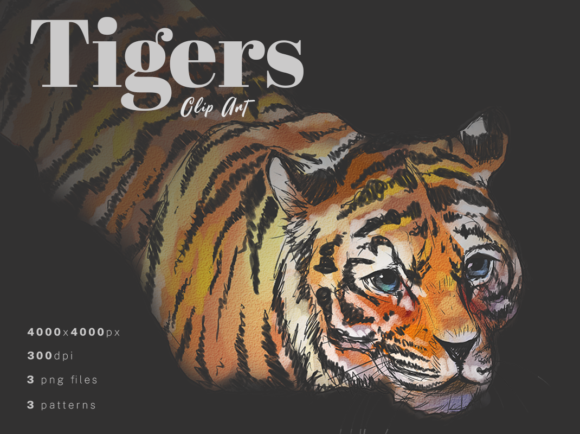
The visual personality of Tigers Watercolor Clip Art Patterns is distinct. Unlike sharp, geometric tiger designs often seen in modern sports apparel, this set leans into a whimsical, artistic vibe. The shapes are organic, mimicking the way pigment settles on paper. For an embroidery project, this suggests a need for careful stitch planning. The design naturally belongs in softer, more sentimental applications rather than heavy-duty industrial work. If you are looking to create a personalized gift for a nursery or a boutique item for a high-end handmade shop, the mood here is perfect. It evokes a sense of warmth and creativity that customers immediately connect with.
However, the watercolor effect relies heavily on gradient transitions and subtle color blending. In digital form, this looks seamless. In thread, we must consider how fill stitch and satin stitch will handle these transitions. The layout of the tigers is dynamic, often capturing movement, which means the digitization needs to preserve that energy without becoming too dense. A successful finished product using this pattern will feel like a piece of wearable art rather than just a logo applied to fabric.
Real-World Application: From Tote Bags to Baby Wear
Let's talk about a specific scenario. Imagine you are preparing a custom embroidered tote bag for a local craft fair. You want something that stands out but feels artisanal. Using Tigers Watercolor Clip Art Patterns on a natural canvas tote creates a stunning contrast. The earthy tones of the watercolor tiger blend beautifully with the unbleached cotton, creating a cohesive look that screams "handmade." The tote bag design becomes a statement piece that attracts attention without being loud.
Now, consider baby embroidery. These patterns are excellent for onesies, bibs, or receiving blankets. The soft aesthetic fits perfectly with nursery decor themes. However, because baby items require frequent washing and gentle handling, the stitch density becomes crucial. You cannot have tight, rigid stitching that might irritate sensitive skin. The watercolor style allows for slightly looser fills, which can actually be beneficial here, provided the stabilizer is chosen correctly to prevent puckering.
For custom apparel like sweatshirts, the design works well as a chest patch or a back print. On a dark heather grey sweatshirt, the lighter watercolor elements pop, creating a modern streetwear look. Yet, if you attempt this on a thin t-shirt, you risk show-through and stiffness. The design assets in Tigers Watercolor Clip Art Patterns are versatile, but they demand respect for the substrate. Whether you are making a holiday gift, a kitchen towel, or a pillow cover, the key is matching the weight of the fabric to the complexity of the tiger illustration.
Navigating Challenges: Where Caution is Required
While I love the artistic flair of these patterns, there are areas where you must proceed with caution. Small hoop sizes can be problematic. The watercolor details, such as the fading edges of the fur or the expressive eyes, rely on space to breathe. If you try to shrink the design to fit a 4x4 inch hoop for a cap, you may lose the nuance that makes the design special. The result could look muddy rather than artistic.
Textured fabrics also pose a challenge. Embroidering a watercolor tiger on a thick fleece or a napped fabric can obscure the fine lines. The texture of the fabric fights against the smooth illusion of the paint strokes. Similarly, on stretchy fabrics like jersey knit, the tension required to hold the design flat can distort the organic shapes of the tiger. Always test on scrap fabric first. Check the thread colors to ensure the gradients read clearly. Sometimes, what looks like a smooth fade on a monitor requires a specific thread palette to achieve the same effect in reality.
Dark fabrics require extra attention. Without proper underlay stitches, the lighter watercolor hues might get lost against a black background. You may need to adjust the embroidery file settings to add a white backing or increase the opacity of the fill stitches. Also, avoid placing these designs on curved surfaces like caps unless the digitization specifically accounts for the curve, as the straight lines of the watercolor splashes might warp unnaturally.
Practical Designer Notes for Success
To truly leverage Tigers Watercolor Clip Art Patterns in your business, follow these practical steps. First, always test the design on scrap fabric that matches your final product. This helps you gauge the hoop size needed and the appropriate stabilizer. For watercolor effects, a tear-away stabilizer might be too aggressive, while a cut-away could be necessary for knits.
Review the stitch density carefully. If the design is too dense, it will stiffen the fabric, ruining the drape of a dress or the comfort of a baby blanket. If it is too sparse, the fabric will show through, breaking the illusion of the painting. Inspect small details closely; sometimes, tiny lettering or intricate whiskers need to be simplified for machine execution. Test it in black and white mockups before committing to expensive threads. Compare light and dark fabric backgrounds to see how the colors shift.
Finally, confirm licensing before selling finished items or digital products. As an Etsy seller or small shop owner, you must ensure you have the rights to use Tigers Watercolor Clip Art Patterns for commercial purposes. Does the license allow you to sell the physical goods? Can you offer the digital embroidery file to your customers? Understanding these terms protects your brand and builds customer trust.
Final Thoughts on Value and Appeal
When executed correctly, Tigers Watercolor Clip Art Patterns significantly boosts the visual appeal of any handmade product. It elevates a simple item into a collectible piece, increasing its perceived value and buyer engagement. The unique style sets your brand apart from competitors using generic clip art. It signals professionalism and a keen eye for detail.
Whether you are creating a holiday embroidery collection, personalized aprons, or commercial embroidery for a client, this design offers a fresh perspective. It bridges the gap between traditional illustration and functional textile art. By understanding its strengths and limitations, you can create finished products that delight customers and stand the test of time. The key lies in preparation, testing, and respecting the medium of thread. With the right approach, these tigers will roar with success in your portfolio.