Watercolor Roses and Leaves Clipart Set Review
As a designer who has spent years translating digital art into tangible thread, I approach every new asset with a critical eye. When I first opened the Watercolor Roses and Leaves Clipart Set, my immediate reaction was one of appreciation for its soft, organic mood. Unlike the rigid, vector-perfect graphics that dominate many commercial libraries, these illustrations breathe. They carry the gentle bleed and color gradients characteristic of watercolor painting, which is exactly what many craft business owners are looking for to elevate their handmade product lines. However, moving from a screen to a hoop requires more than just aesthetic appeal; it demands a deep understanding of how stitch density, fabric texture, and thread colors interact.
The Visual Mood and Design Potential
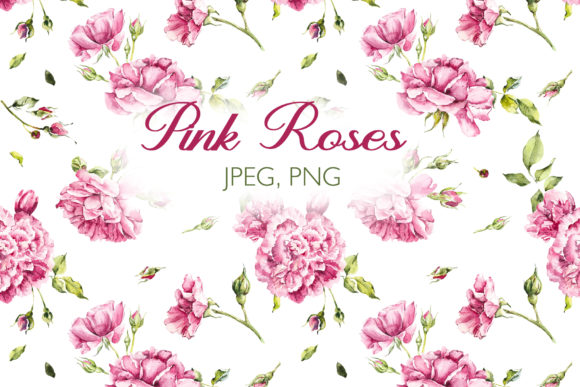
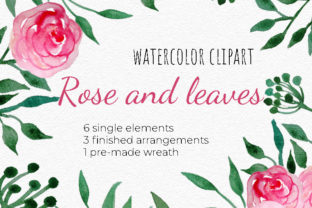
The visual personality of this set is undeniably romantic and timeless. The shapes are fluid, avoiding harsh outlines in favor of soft edges that mimic paint on paper. For an embroidery project, this presents a unique opportunity to create custom apparel that feels less like a logo application and more like fine art. Imagine a linen tote bag design where these roses sit subtly against the natural weave of the fabric, or a baby embroidery piece for a nursery where the softness of the clipart matches the delicate nature of the garment.
However, the challenge lies in the translation. In the world of machine embroidery design, watercolor effects are notoriously difficult to replicate without losing detail. A standard fill stitch can often look too solid, killing the "wet" look of the original illustration. To make this work, you must rely heavily on varying stitch density and perhaps blending different thread colors to simulate those gradient washes. This is not a design you simply download and stitch at 100% opacity; it requires artistic intervention during the digitizing phase to ensure the finished product retains its soul.
Real-World Application: The Custom Tote Bag Scenario
Let me walk you through a real-life scenario where I tested the viability of the Watercolor Roses and Leaves Clipart Set. I was preparing a line of boutique products for a local Etsy seller who wanted to launch a spring collection featuring embroidered tote bags. The goal was to create a personalized gift option that felt premium yet accessible. I selected a large rose motif from the set and mapped it out for a medium-sized cotton canvas tote.
Initially, the design looked perfect on my printable mockup. But when I ran a test on scrap fabric using a standard satin stitch outline, the result was stiff and lost the watercolor nuance. The petals looked like plastic blobs rather than painted blooms. I had to adjust the approach, switching to a mix of running stitch for the delicate veins and a very sparse fill stitch for the petal bodies. By reducing the stitch density by about 30%, the fabric showed through slightly, mimicking the transparency of watercolor paint. This adjustment transformed the piece. The final embroidered patch didn't just sit on the bag; it seemed to grow out of the canvas. This level of attention to detail is what separates a generic small shop product from a high-end handmade item.
Navigating Fabric and Hoop Limitations
While the potential is high, there are specific situations where this design set needs careful handling. If you are working with textured fabrics like heavy denim or thick wool for sweatshirt embroidery, the fine details of the leaves may get lost. The irregular edges of the watercolor style can blend into the fabric weave if the stabilizer isn't chosen correctly. I always recommend testing the design on the actual material before committing to a batch of orders.
Furthermore, consider your hoop size. Some of the sprawling leaf arrangements in this set require a larger workspace to maintain their flow. Trying to force a wide, organic composition into a small 4x4 inch hoop will result in awkward cropping and a loss of the design's balance. For items like caps or hats, which have curved surfaces, the distortion can be significant. The flowing lines of the roses might appear warped on a structured cap unless the digitizing software accounts for the curvature. Always check whether the design works for both personal and commercial projects by inspecting small details on a curve before production.
Enhancing Product Value and Brand Consistency
For creative entrepreneurs and digital product sellers, the ability to offer unique aesthetics is key to buyer engagement. Using the Watercolor Roses and Leaves Clipart Set allows you to differentiate your brand from competitors using bold, geometric patterns. When executed well, these designs add a layer of sophistication that increases the perceived value of a finished product. Customers buying holiday gifts or wedding favors are often looking for something that feels curated and thoughtful. A pillow cover or kitchen towel adorned with these soft floral motifs suggests a level of care that mass-produced items cannot match.
This visual appeal directly impacts customer trust. When a client sees a sample where the thread colors have been carefully matched to create a gradient effect, they understand that the maker values quality. It builds confidence in your craftsmanship. Whether you are selling a digital embroidery file or a physical apron, the presentation matters. Ensure your online listings include photos of the design on light and dark fabric backgrounds so buyers can see how the thread colors interact with different materials.
Practical Designer Notes for Success
To get the most out of this asset, here are my essential recommendations for fellow designers and makers:
- Test on Scrap Fabric First: Never skip this step. Watercolor styles are sensitive to thread tension and fabric type. Run a test to see if the fill stitch is too dense.
- Check Thread Color Contrast: Because the design relies on soft transitions, using a single bright thread color might flatten the image. Experiment with variegated threads or multiple shades of the same hue to build depth.
- Use Proper Stabilizer: Especially for thin fabric or stretchy garments, a cut-away stabilizer is crucial to prevent puckering around the detailed corners of the leaves.
- Review Licensing Terms: Before selling finished items or digital products, confirm the licensing agreement for the Watercolor Roses and Leaves Clipart Set. Ensure you are cleared for commercial embroidery use.
- Inspect Small Details: Zoom in on the smallest leaves and stems. If they are too thin, they may break during stitching or look like skipped stitches. You may need to thicken them slightly in your digitizing software.
In conclusion, the Watercolor Roses and Leaves Clipart Set is a powerful tool for those willing to put in the extra effort to translate its artistic vision into thread. It is not a "set it and forget it" design, but for the dedicated hobbyist or professional decorator, it offers a chance to create truly bespoke, emotionally resonant pieces. Whether you are crafting a personalized gift for a loved one or building a portfolio for your craft business, these illustrations provide a beautiful foundation for your next great project.